

01. Gina Thorstensen Interview
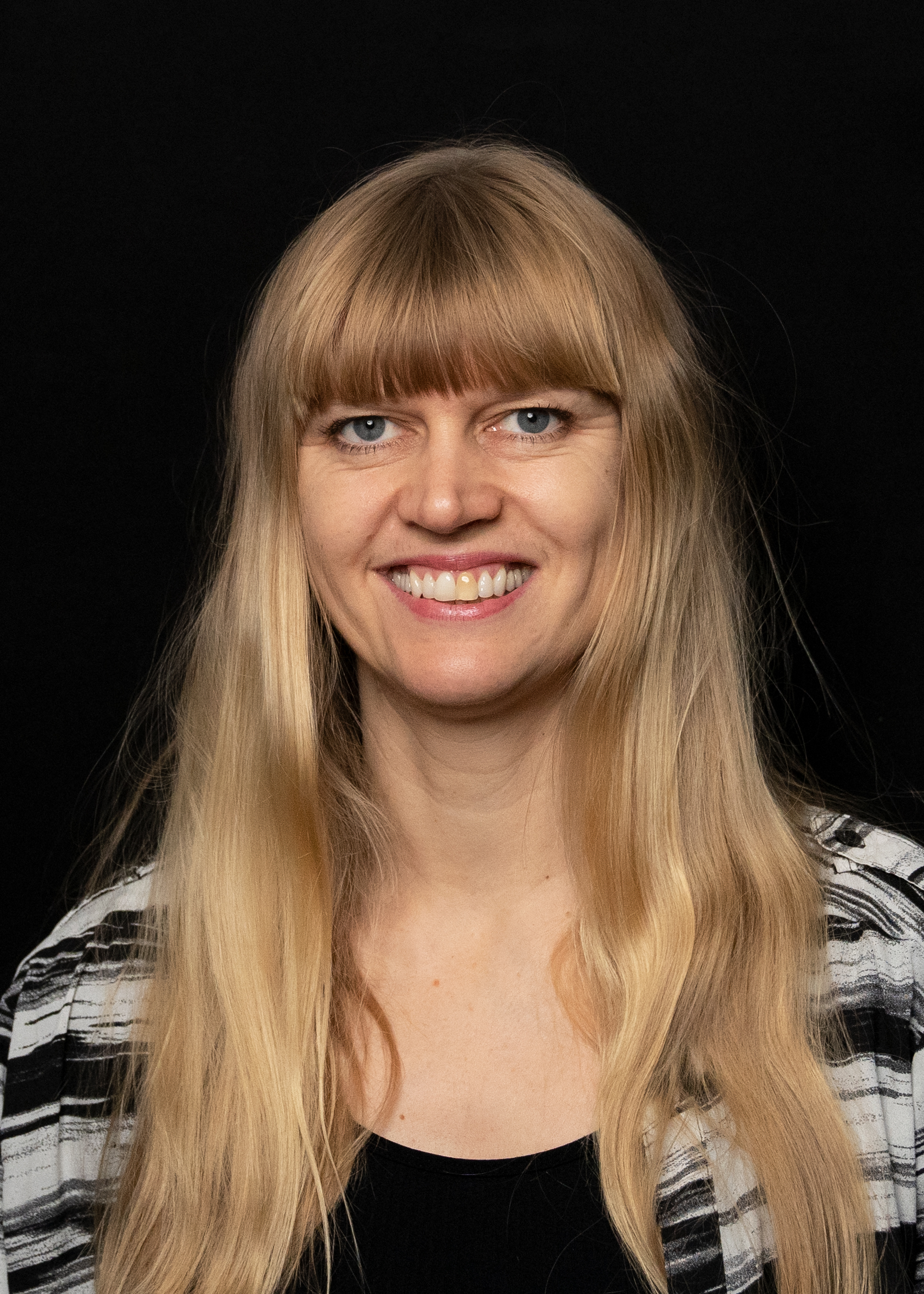
Gina Thorstensen, an artistic perspective on Animac 2027
A film festival’s identity goes far beyond its scheduled lineup. Its identity comes from all the elements that make up the event, and the poster is one of the most important pieces. Animac has captivated audiences with a first-rate lineup of animated films while also forming its own visual and artistic trajectory and identity. Gina Thorstensen is one of the key players in this story.
Along with Carles Porta and Rocío Álvarez, the Norwegian visual artist is one of the three people behind the International Animation Film Festival of Catalonia’s image over its 30-plus-year history. She’s also the only one of the three artists who was born outside of Spain, although she knows the festival well after living in Catalonia for many years.
The Norwegian creative is participating in this event for the second time, and in 2027 the theme is ‘Painting’. Her self-professed passion for experimenting with formats and materials has been key for designing a visual concept, including the poster and opening film, that combines the expressive qualities of painting with the medium of animation.
In this conversation, Thorstensen talks about the creative process behind the visual identity of Animac 2027, her relationship with painting and visual experimentation, as well as the challenges of taking those techniques into the universe of animation. She also gets into her career and the relationship she’s built with the festival that’s trusting her artistic vision once again.
Your career includes many different disciplines. How do you take those different techniques into the same creative process?
That’s exactly what I love most. I’m always experimenting with formats and techniques, so much so that I end up working on different things. That’s the case with this poster for Animac, and also the opening film I’m doing right now. I wanted to use the volume work I’ve been doing with puppets and fabric and combine that with painting, which is the theme of the festival, and with animation.
What allows you to explore the different disciplines you work with to maybe find what the other ones can’t offer you?
That’s what I like about animation. It allows me to combine different things on camera, which is what I’m doing now. My work can combine space, volume, painting, and even drawing with movement. What I like so much about animation is that I can combine different techniques. At first these techniques might seem like they don’t have much in common, but when you combine them inside a single universe, they thrive together.
You’ve worked on a variety of different projects. What have been some key moments or everyday experiences for finding your voice as an artist?
There are a lot of moments, but I’m working more and more with animation in different ways. I’m directing my own projects and also designing with other people. I think one important moment was when I met Nacho Rodríguez. With him, I started working on animation and combining puppets and drawing. That was a really important moment, of course. It was the first time I was able to create moving worlds with my work, which I did by combining dolls and drawing.
And I’m constantly switching things up. I feel like I change directions all the time, but when I look back on it, I’m on the path towards animation. I like bringing things to life.
How has your artistic experience influenced the way you envision static images, for example a poster?
Since I started working with animation, I see meaning in my work [with static images] that I didn’t notice before. Before, I often felt unsatisfied. I like animation because it allows me to create bigger worlds, and now with illustrations and posters, I see a moment frozen in time. I see so clearly that I’m creating a world that could move, that could be animated, that has those elements. For example, I see the Animac poster as a world where things are happening that I’ve decided to freeze in time for the poster. I didn’t think of it like that before, but now that’s how I see it.
You’re coming back to Animac 2027 after participating in 2021. What’s it like coming back, and what motivated you to participate in this year’s festival?
I met Rocío Álvarez, who does the posters now, at the 2026 festival. I mentioned that if she ever needed a substitute, she could let me know. My motivation is simple: I love this festival. I like the lineup, and I have really great memories of being at the festival. That’s why I feel so inspired to do the visual identity. And also because I’m really interested in working with this year’s theme, painting.
What do you think painting brings to animation that other disciplines don’t?
I think since painting is so expressive, it lets people see the movement of your hand and your body. Every brushstroke holds a piece of you. Digital work does too, I won’t argue with that. But for me, in my work, I think you can notice the pressure, the movement, even my mood on any given day. You can see all of that, at least with the way I do it. I think it becomes something more personal.
What was the starting point for your proposal and what message did you want your poster to convey?
The theme is painting and I thought, ‘There are lot of paintings out there. How can I make something original?’ Because painting may be one of the most widely explored techniques. So I thought I should look inside myself to find the original, unique parts of my process and my personal artistic language.
I wanted to work with my hands and do something analogue. I do a lot of digital work and I like that, but here I wanted to do something by hand. That’s why I thought of going back to puppets and fabric. Painting fabric is also interesting.
When I make the poster, I think about the opening film at the same time. I think about how to animate it. And I wanted to do something that looked very handmade where you could see the textures.
The truth is, I was excited to do something really hands-on because we’re a bit tired and overwhelmed by all the AI images we’ve been seeing lately. I thought, ‘How can I do something as far away from that as possible? What can AI not do?’ That’s where manual techniques come in. AI can try to simulate that, though, so I looked inside myself again and landed on the puppets. They’re not a self-portrait, but I wanted to make it personal.
As part of this process I started working with my daughter, who’s four years old. I was making a puppet at home, and she started making it with me. In this unplanned process between the two of us, new things came up for me too.
Could you tell us more about the personality of that character who ended up becoming so personal for you?
It’s a character who wants to express themselves and who carries a lot of experiences and memories with them. Things they’ve been collecting in the world like buttons, rocks, stuff like that. And the character is made of fabric. These are all different objects I’ve collected myself. It’s a personal process for me in that I use things that I have saved because I like them. I hope the character conveys that desire to express themselves. That’s why the legs and tail are paintbrushes. Because they’re predisposed to paint and express themselves.
Are there any details that people should pay attention to when they see your poster, maybe a nod to previous work or a message?
The message I want to share is the joy of creating, the desire to experiment, and not being afraid to try. The whole video process is a challenge for me to work directly with the camera and have the confidence to create. It’s about having the confidence to try things. I hope the video conveys that as well.
It’s been five years since your last collaboration with Animac. How have you evolved as an artist in that time?
In a way, I have a lot more experience. I’ve worked a lot these past few years and I feel a lot more confident doing what I do, which also lets me be much more relaxed. I feel more secure, which I think lets me do things more freely, and that’s what I’m trying to do now. I’m making an effort to trust these experimental processes.
How do you envision designing posters as a form of artistic expression?
Posters are very important, even in a digital world. I love posters, but they’re challenging for me. It’s kind of like I said before: I find it easier to create a moving world, and a world where everything’s paused is more complicated for me. You have to choose a key moment that communicates something specific. I like doing that for Animac.
Looking forward, what artistic territory would you like to explore that perhaps you haven’t visited yet?
I’ve experimented a bit, but I’ve never done large installations. I mean physical immersive installations, because I work with virtual reality. I’ve done a couple small ones, but I’d love to create my worlds on a large scale and make everything larger, like you’re inside.
Finally, if we take your collaboration with Animac as its own unique universe, what would you like people to discover inside of it?
Maybe I’m repeating myself, but motivation, joy, and the desire to create and express themselves freely. Expressing ourselves as individuals and having fun, too. As artists, sometimes we suffer a lot in the process. That will always be part of the creative process, because when you push yourself, you suffer, but now I try to make everything a little more fun.